
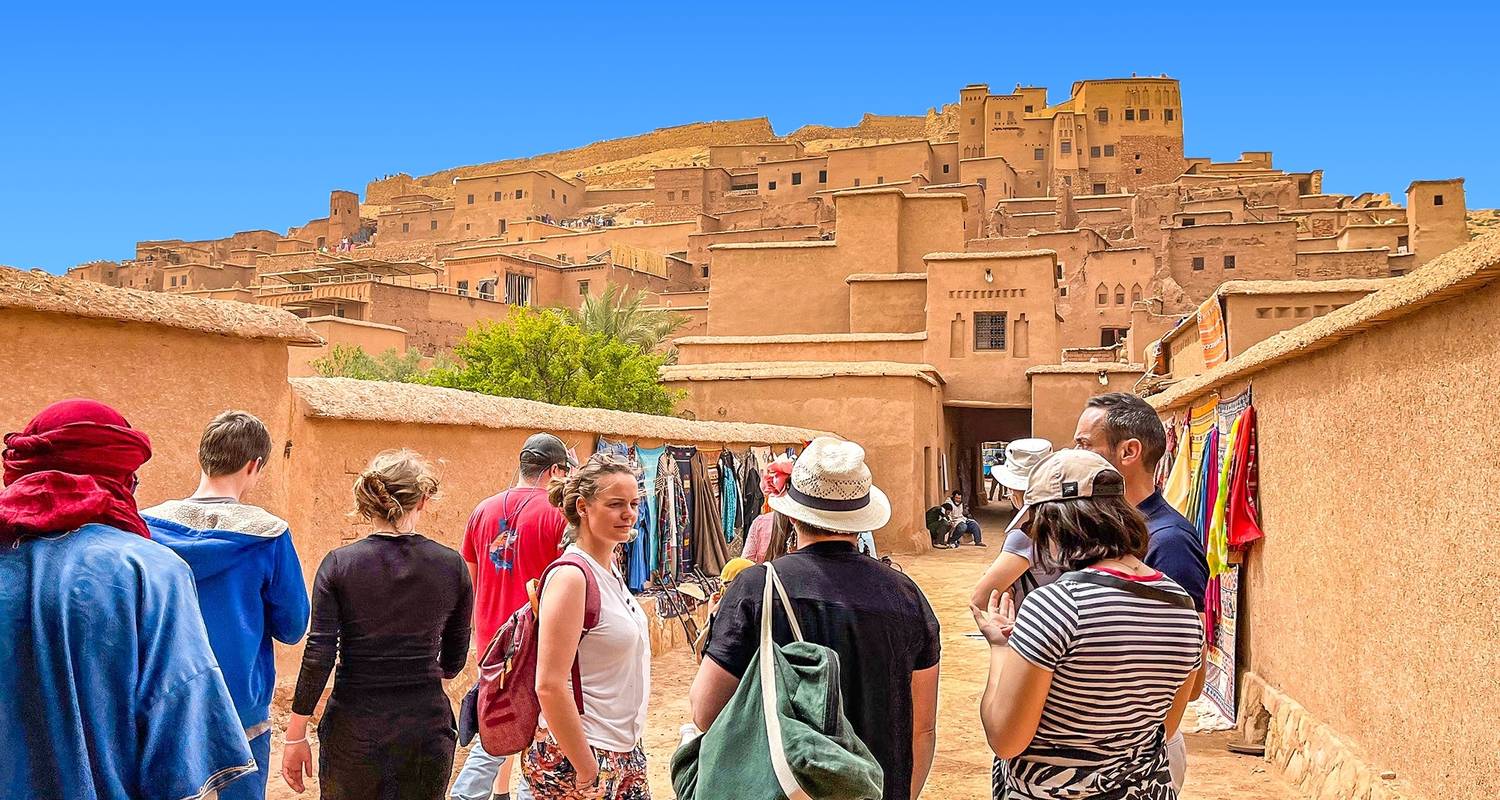
Top Reasons Travelers Choose Guided Morocco Tours for Cultural Exploration
May 25, 2026Travel is often about more than simply visiting famous landmarks. Many travelers want to understand local traditions, experience authentic lifestyles, and connect with the history and people of the places they visit. Morocco offers exactly this type of meaningful journey. With its rich heritage, diverse landscapes, and centuries-old traditions, the country has become one of the world’s most fascinating destinations for cultural travel. This is why many visitors prefer Morocco tours when exploring the country for the first time or seeking a deeper travel experience.
A carefully planned Morocco trip offers opportunities to discover vibrant cities, traditional villages, historic architecture, local cuisine, and ancient customs. Guided tours help travelers experience these treasures in a more organized, insightful, and memorable way.
Table of Contents
Morocco’s Cultural Diversity Makes It Unique
Morocco stands out because of its remarkable blend of cultural influences. The country’s identity has been shaped by Arab, Berber, African, Mediterranean, and European traditions over centuries.
This diversity appears in nearly every aspect of Moroccan life, including:
- Architecture
- Food
- Music
- Language
- Clothing
- Art
- Religious traditions
For travelers, this means that every region feels different and offers its own unique atmosphere.
A Morocco trip can take visitors from ancient imperial cities to mountain villages and coastal communities, each with distinct customs and local character.
Guided Tours Provide Cultural Context
One major reason travelers choose Morocco tours is access to local knowledge.
While independent travel allows freedom, it may not always provide historical or cultural understanding. Walking through ancient streets or visiting monuments becomes more meaningful when travelers understand the stories behind them.
Professional guides explain:
- Historical significance
- Religious traditions
- Local customs
- Architectural details
- Community lifestyles
- Regional history
This context transforms sightseeing into education and cultural discovery.
Rather than simply observing Morocco, travelers begin to understand it.
Ancient Cities Reveal Morocco’s History
Morocco’s historic cities are among its greatest cultural treasures.
Guided tours often focus on imperial cities that preserve centuries of history.
Marrakech
Marrakech combines energy, artistry, and heritage.
Visitors encounter:
- Traditional markets
- Historical palaces
- Decorative architecture
- Public squares
- Artisan workshops
Guides help travelers navigate the city’s busy medina while sharing stories that reveal Marrakech’s historical importance.
Without local insight, many details may go unnoticed.
Fez
Fez offers one of the richest cultural experiences during a Morocco trip.
Its ancient medina contains:
- Religious schools
- Traditional crafts
- Narrow alleyways
- Historic neighborhoods
The city feels like a living museum.
Guided exploration allows visitors to understand the significance of Fez as an intellectual and spiritual center.
Rabat and Meknes
These cities offer quieter yet equally meaningful experiences.
Travelers often appreciate:
- Historic monuments
- Elegant streets
- Cultural institutions
- Preserved heritage sites
Together, these destinations reveal Morocco’s complex historical development.
Local Guides Open Doors to Authentic Experiences
One challenge of international travel is accessing authentic local life.
Tourists sometimes remain limited to hotels and popular attractions. Guided Morocco tours help overcome this barrier.
Local guides often introduce travelers to experiences such as:
- Artisan workshops
- Traditional homes
- Local cafés
- Community markets
- Family-run businesses
These interactions provide insights unavailable through guidebooks alone.
Meeting local people often becomes one of the most memorable parts of a Morocco trip.
Authentic human connections create lasting impressions.
Morocco’s Markets Offer Cultural Discovery
Traditional markets, known as souks, represent an essential part of Moroccan culture.
For first-time visitors, however, these markets can feel overwhelming.
Guided tours help travelers confidently explore these spaces while understanding their cultural role.
Souks offer:
- Handcrafted goods
- Leather products
- Ceramics
- Carpets
- Metalwork
- Textiles
- Spices
Guides explain the history and craftsmanship behind products while helping visitors interact respectfully with local vendors.
This guidance creates a more enjoyable and educational experience.
Berber Culture Adds Depth to Morocco Tours
One of Morocco’s most important cultural influences comes from Berber communities, also known as Amazigh people.
Many Morocco tours include opportunities to visit mountain villages or rural communities where traditional lifestyles continue.
Travelers learn about:
- Local architecture
- Family traditions
- Farming practices
- Handmade crafts
- Community customs
These experiences reveal a side of Morocco that differs greatly from city life.
The hospitality found in many villages leaves strong impressions on visitors.
Sharing tea and conversation with local families often becomes a highlight of the journey.
Food Is a Gateway to Culture
Cuisine reflects history, geography, and cultural identity.
This is why food experiences play such an important role in Morocco tours.
Moroccan cooking blends spices, fresh ingredients, and slow preparation techniques.
Travelers often enjoy dishes such as:
- Tagine
- Couscous
- Harira soup
- Grilled meats
- Traditional pastries
- Mint tea
Guided culinary experiences provide more than meals.
Visitors learn:
- Ingredient origins
- Cooking methods
- Dining customs
- Cultural traditions surrounding hospitality
Food becomes a powerful way to understand Moroccan society.
Many travelers return home remembering meals as vividly as landmarks.
Desert Experiences Offer Cultural and Natural Connection
The Sahara Desert remains one of Morocco’s most iconic destinations.
However, desert excursions involve more than scenery.
Many guided Morocco tours incorporate cultural storytelling and traditional hospitality alongside adventure.
Popular desert activities include:
- Camel rides
- Camp experiences
- Traditional music
- Local cuisine
- Stargazing
The desert environment also teaches travelers about resilience and adaptation.
Learning how communities have lived in these conditions for generations adds depth to the experience.
A Morocco trip becomes far more meaningful when travelers understand the cultural significance of the places they visit.
Guided Tours Simplify Travel Logistics
Cultural travel becomes difficult when travelers are constantly managing transportation, reservations, and navigation.
Organized Morocco tours reduce these challenges.
Typical services include:
- Hotel coordination
- Transportation
- Activity planning
- Local assistance
- Schedule management
This structure allows travelers to focus on exploration rather than logistics.
For first-time visitors especially, guided tours often reduce stress and increase confidence.
Reliable transportation also makes it easier to reach remote cultural sites and villages.
Respectful Travel Matters
Cultural exploration should involve respect and awareness.
Guided tours often educate travelers about local expectations and etiquette.
Important considerations include:
Appropriate Dress
Modest clothing is appreciated in many areas.
Guides help visitors understand local standards without discomfort.
Photography Etiquette
Asking permission before photographing people shows respect.
Tour guides often help facilitate positive interactions.
Religious Awareness
Morocco has strong spiritual traditions.
Understanding customs related to mosques, prayer, and public behavior helps travelers navigate respectfully.
These small efforts contribute to more positive and authentic cultural exchange.
Morocco Appeals to Culturally Curious Travelers
Not every traveler seeks the same experience.
Some prioritize beaches or luxury, while others value heritage and learning.
Morocco appeals strongly to travelers interested in:
- History
- Art
- Architecture
- Language
- Food
- Community life
- Cultural traditions
This makes Morocco tours especially popular among culturally curious visitors.
The country offers opportunities for both adventure and education.
Final Thoughts
Travel becomes unforgettable when it creates understanding alongside enjoyment. Morocco offers exactly this balance.
Its ancient cities, diverse communities, vibrant markets, and enduring traditions provide endless opportunities for cultural discovery. While independent travel has advantages, guided Morocco tours often enrich the experience through local knowledge, logistical support, and meaningful access to authentic experiences.
A thoughtfully planned Morocco trip allows travelers to move beyond surface-level tourism and connect with the country’s true spirit. Rather than simply collecting photos, visitors return home with stories, friendships, and a deeper appreciation for Morocco’s remarkable cultural heritage.


